1980s walk around London taking some stock images, I came across a new guard at Buckingham Palace. 35mm fujichrome transparency film.
The one born in St.Helens in 1961.
1980s walk around London taking some stock images, I came across a new guard at Buckingham Palace. 35mm fujichrome transparency film.

My day job is being a professional retoucher. I have been working on other peoples images for over 35 years now, starting off in the colour darkrooms at Tony Stone Photolibrary (Later Getty Images) before setting up the first electronic imaging department there in 1991.
Most of my clients these days are big names in Photography or organisations such as the BBC and The Natural History Museum where I work on major projects such as the David Attenborough documentaries or Wildlife Photographer of the Year.
I have ran workshops around the Country but that is a little difficult at the moment so I have started offering remote workshops via screen sharing, zoom etc. These two hour 1:1 sessions are ideal for someone who would like a little bit of guidance with images / sotware / workflow etc. Each session is tailored exactly to your needs.
You can purchase this special gift for yourself or someone you know here: https://copyrightimage.com/product/portfolio-and-workflow-review

In the Summer of 1990 I travelled to Poland with Adam. We spent some time with Adams dad Boleslaw Sulik who was making a documentary for the BBC on the political movements there (a hot subject at the time).
The film crew were good company but with me being ignorant of Polish politics did not know who is being interviewed here, questions have been asked on Facebook so come back for more info later!
Joining the crew to review the tapes later I remember being very impressed with the clarity of the video they recorded (though of course it was just standard definition).
In retrospect I realise I missed the bigger story of the political movements forming around the race to power and how it would effect the lives of millions of people. In 2021 we find Poland under the influence of right wing thinking that like communism before it sees a totalitarian way forward as the answer, how ironic.

The Lamb and Flag pub, corner of James Street & Barrett Street, Central London. Taken in the early 1990s
Fashion changes of course but it does not suddenly jump every 10 years, here is the transition from a 1980s style to something different. I often walked from work in St.Johns Wood or later Camden town through central London on my way to Charring Cross and the train home. For me, socialising in a pub was something that happened at lunch time rather than after work.

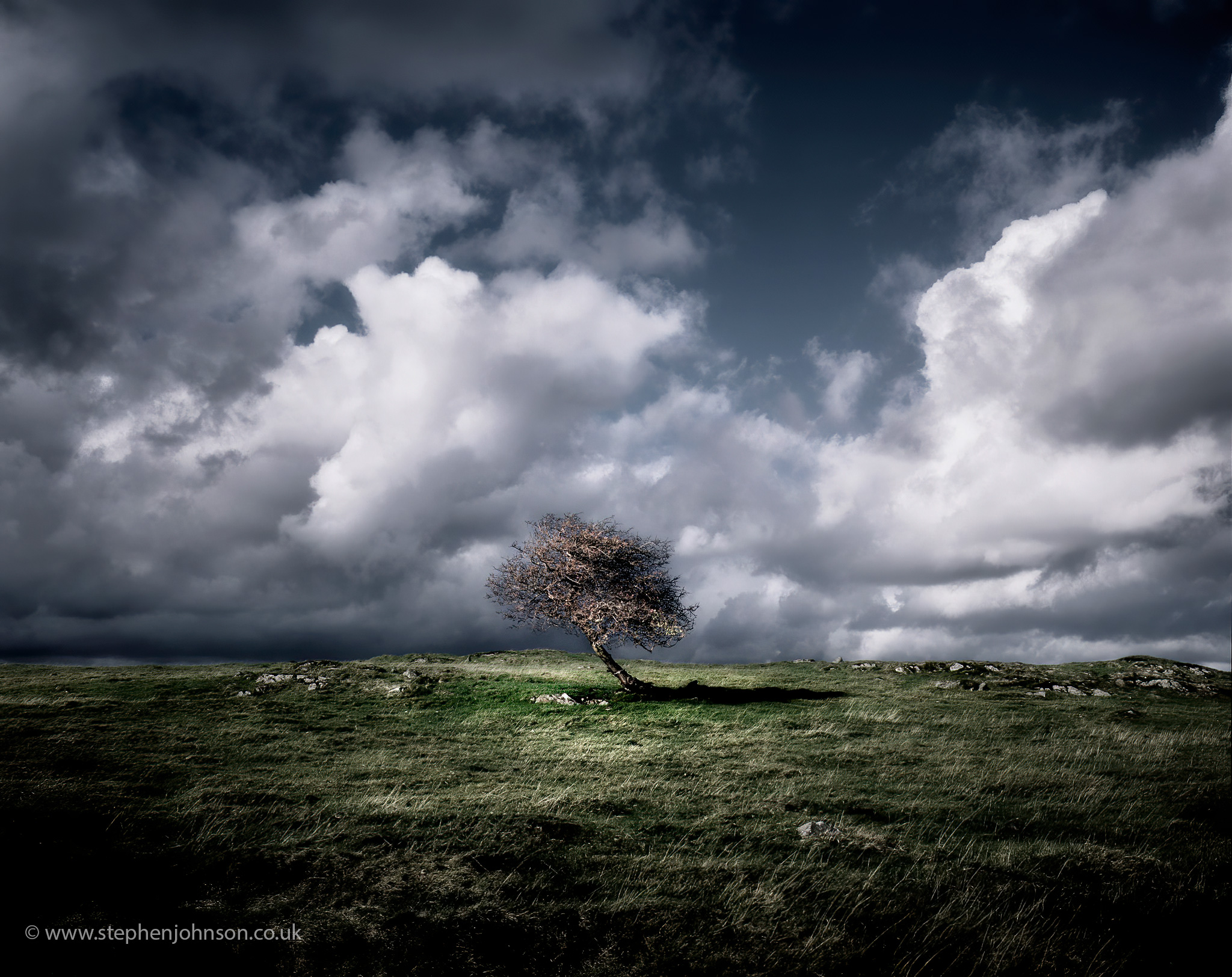
Taken in the hills around Burnley Lancashire. Later 1990s.

The pleasures of the London Underground in rush hour, London Bridge station. Later 1980s. Pentax K1000 camera, 400 asa high speed transparency film.

Group of monks attending the Godiva Procession, Coventry city centre. Mid 1990s. Taken on a Canon EOS 1 film camera.

The rain was coming down hard. As a young lad in the late 1970s I
t was not long before I tried a frame of film in my cheap Chinese Seagul 203 camera.
I had just completed a Saturday morning photograhy class in the days when local councils held free education classes for its people.


A 1980s 35mm transparency of a field of reeds combined with an Agfa Arcus II flatbed scan of some fabric (also 1980s).


Burrows court Flats photographed from Colwick Woods, Nottingham Taken in approx 1981/2
(Many thanks for the people on the Facebook “Nottingham” group for their help in finding this location)
Mamiya 124G twin lens reflex camera 80mm lens, Ilford Pan F film at 50ASA.

An image from my very first self processed roll of film, possibly the first film I used in my Zenith E as I took up photography as a 14 year old schoolboy.
Not a particularly striking image but it does show my interest in detail and quiet scenes. Now that I have digitized a reasonable number of images for the site I’m starting to see patterns and themes reoccurring throughout my work. The accepted wisdom is that a photographer improves over time but I’m not so sure now, there are images the 14,15 or 16 year old me had taken that I feel I would not want to change even a little bit.
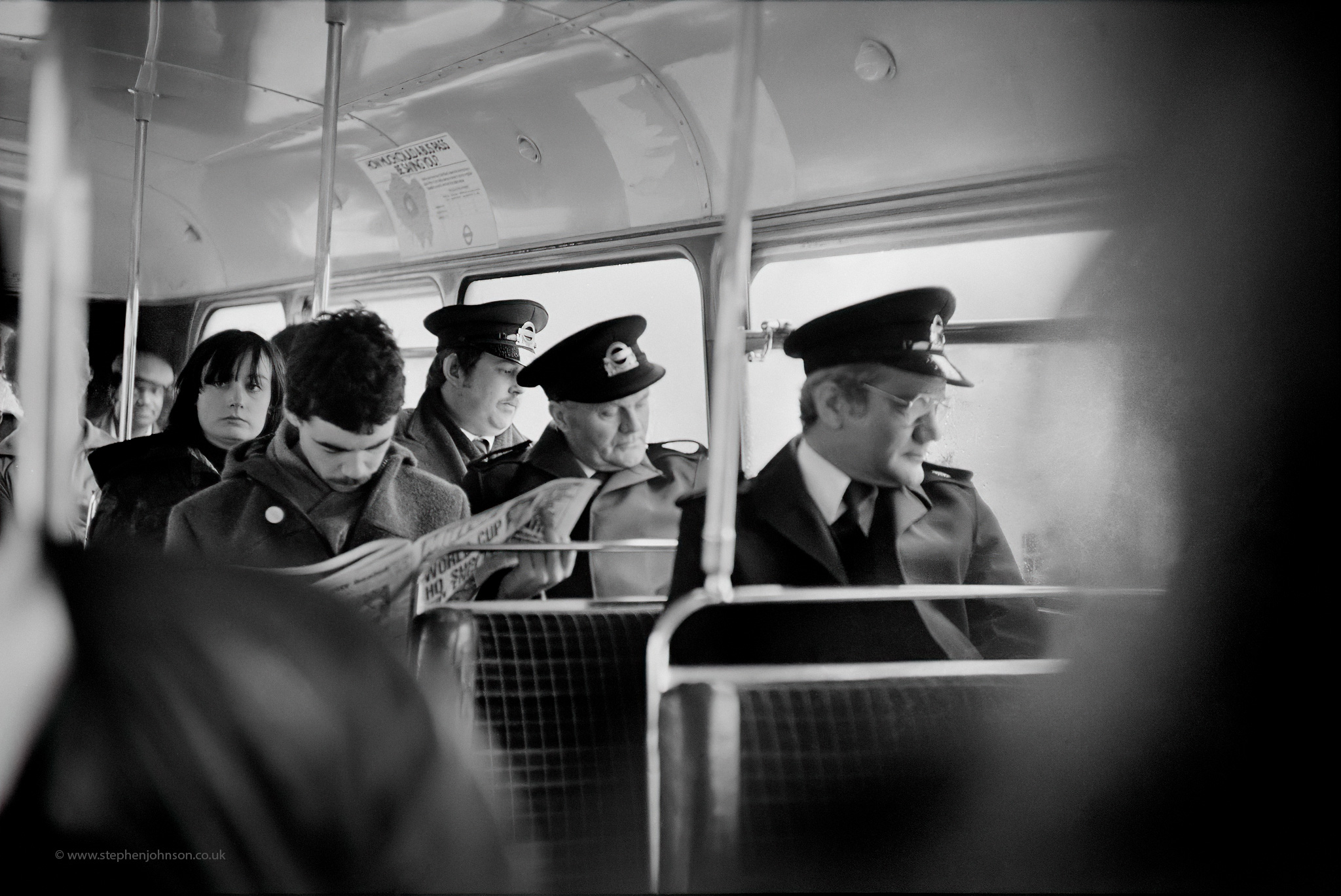
Three London bus inspectors respecting each others space on the top deck, the rain rolling down the windows completes this little tableau. Taken in the mid 1980s.
I would have taken the picture because even one inspector sitting down would have been an unusual sight, they normally were seen standing up and demanding to see your ticket, but three sat down? I had to use my camera – there was no other choice.
Ilford XP chromogenic film (C41 process Black and White)

Doorway, Butlers Wharf, Docklands London. Taken some time in the 1980s.
No doubt large parts of this building were retained and converted but I doubt the grime built up over the years or this wooden doorway is there anymore.
At photo and film school I played around with image as illusion, Im now thinking that a photo can retain a reality after the subject is no longer there, the hard material world changes over time but stages can be preserved in images. Perhaps because at base there are only mental images?
Let’s together pause on this street and appreciate the history of the scene in front of us.